Managing personal clothing in nursing homes, assisted living facilities, and residential care communities can be challenging. Unlike standard hotel or hospital linens, residents’ personal garments come in different sizes, colors, fabrics, and styles. During large-scale laundry operations, clothing can easily become misplaced, mixed up, or returned to the wrong resident.
JYL-Tech provides RFID personal clothing tracking solutions designed to help residential facilities identify and manage individual garments throughout the laundry process. By attaching small, washable UHF RFID tags to personal clothing, each garment receives a unique digital identity that can be scanned and tracked during collection, washing, sorting, and delivery.
Our RFID solutions help laundry operators improve garment identification, reduce clothing mix-ups, simplify manual sorting, and ensure personal belongings are returned to the correct residents.
How JYL-Tech Private Wear RFID Solution Works
JYL-Tech RFID personal clothing tracking solutions use washable UHF RFID tags to give individual garments a unique digital identity. Combined with compatible RFID readers and laundry management software, the system helps facilities monitor personal clothing throughout the collection, washing, sorting, and delivery processes.
1. Soft RFID Tagging for Personal Garments
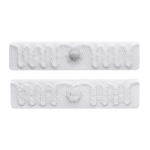
Each personal garment is equipped with a small, flexible UHF RFID laundry tag. Depending on the garment material and application requirements, the tag can be sewn into an inner seam or attached using a suitable heat-sealing method. Each tag carries a unique identification number that can be associated with the corresponding resident’s information.
2. Automated Laundry Collection and Identification
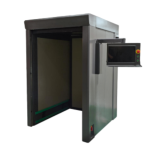
When used clothing is collected from resident rooms, RFID scanning portals or compatible readers can identify tagged garments as they pass through the collection process. The system records the received items and helps laundry operators maintain digital collection records without manually checking every garment.
3. RFID-Based Garment Sorting After Washing
After washing and drying, RFID readers identify individual garments during the sorting process. The associated software can display the corresponding resident information, such as resident ID, room number, or assigned delivery location, helping staff sort personal clothing more efficiently and reduce mix-ups.
4. Delivery Verification and Garment Return
Before clean clothing is returned to residents, handheld RFID readers or desktop scanning stations can verify garment identities against the corresponding resident records. This helps staff check garment bundles, identify missing items, and maintain digital delivery records.
Common Challenges in Personal Clothing and Laundry Management
JYL-Tech RFID personal clothing tracking solutions use washable UHF RFID tags to give individual garments a unique digital identity. Combined with compatible RFID readers and laundry management software, the system helps facilities monitor personal clothing throughout the collection, washing, sorting, and delivery processes.
1. Soft RFID Tagging for Personal Garments
Each personal garment is equipped with a small, flexible UHF RFID laundry tag. Depending on the garment material and application requirements, the tag can be sewn into an inner seam or attached using a suitable heat-sealing method. Each tag carries a unique identification number that can be associated with the corresponding resident’s information.
2. Automated Laundry Collection and Identification
When used clothing is collected from resident rooms, RFID scanning portals or compatible readers can identify tagged garments as they pass through the collection process. The system records the received items and helps laundry operators maintain digital collection records without manually checking every garment.
3. RFID-Based Garment Sorting After Washing
After washing and drying, RFID readers identify individual garments during the sorting process. The associated software can display the corresponding resident information, such as resident ID, room number, or assigned delivery location, helping staff sort personal clothing more efficiently and reduce mix-ups.
4. Delivery Verification and Garment Return
Before clean clothing is returned to residents, handheld RFID readers or desktop scanning stations can verify garment identities against the corresponding resident records. This helps staff check garment bundles, identify missing items, and maintain digital delivery records.
RFID Applications For Residential and Personal Laundry Environments
Residential care facilities and nursing homes often handle personal clothing belonging to dozens or even hundreds of residents. Unlike standardized bedding and towels, each resident’s garments are different, making manual identification and sorting time-consuming and challenging.
Without an efficient garment identification system, laundry operators may face several common problems:
1. Lost or Misplaced Personal Clothing
Personal garments can easily become separated from their owners during collection, transportation, and commercial laundry processing. Missing clothing can cause frustration for residents and their families.
2. Clothing Mix-Ups Between Residents
Similar-looking garments, different sizes, and mixed laundry loads make manual sorting difficult. Clothing may accidentally be returned to the wrong resident.
3. Time-Consuming Manual Sorting
Laundry staff often need to check garment labels, names, or handwritten identification marks individually. This increases labor requirements and slows down laundry operations.
4. Limited Garment Traceability
Without individual garment identification, facilities may find it difficult to determine where a specific item was last processed or whether it has been returned.
5. Difficult Personal Clothing Inventory Management
Care facilities need to manage residents’ clothing belongings while keeping track of missing, damaged, or frequently replaced garments. Manual records can be difficult to maintain accurately.
By introducing RFID personal clothing tracking, facilities can improve garment identification, automate sorting procedures, and create more reliable laundry management workflows.
FAQ About RFID Personal Clothing Tracking
1. What is RFID personal clothing tracking?
RFID personal clothing tracking uses RFID tags attached to individual garments to identify and monitor personal clothing throughout the laundry process. It helps nursing homes, assisted living facilities, and residential care communities manage garment collection, washing, sorting, and delivery more efficiently.
2. Can RFID tags be attached to residents’ personal clothing?
Yes. Suitable UHF RFID laundry tags can be attached to personal garments through sewing or heat-sealing, depending on the tag design and fabric material. The installation method should be selected to ensure the tag is securely attached without affecting garment comfort.
3. Are RFID laundry tags comfortable for residents to wear?
Small and flexible textile RFID tags can be integrated into suitable garment seams to minimize their visibility and physical contact. For garments worn directly against the skin, tag size, edge construction, installation position, and material compatibility should be evaluated before use.
4. Can RFID identify different residents’ clothing in the same laundry batch?
Yes. Each RFID tag has a unique identification number that can be associated with a specific resident’s garment records. With compatible RFID readers and laundry management software, operators can identify multiple tagged garments and sort them according to resident information.
5. Can RFID tags withstand repeated washing and drying?
Yes. Specially designed UHF RFID laundry tags are developed for repeated industrial laundry operations. However, washing temperature, drying conditions, pressing requirements, and expected service life vary by tag model. Always select a tag according to the actual laundry environment.
6. Which RFID tags are suitable for nursing homes and assisted living facilities?
Compact, flexible, and washable UHF RFID textile tags are often suitable for personal clothing tracking applications. The best option depends on garment type, fabric material, attachment method, reading requirements, and laundry conditions. JYL-Tech offers different RFID laundry tag designs to support various textile identification applications.
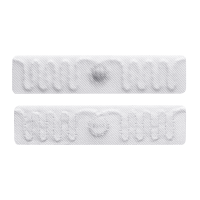
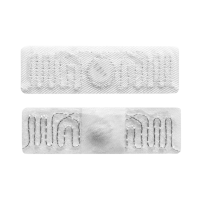
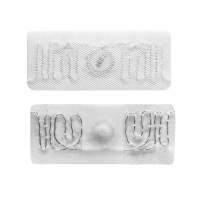
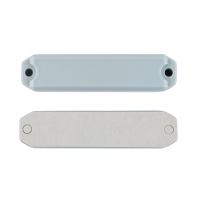
Recommended RFID Laundry Tags for Personal Clothing Tracking
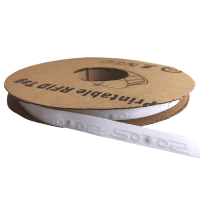
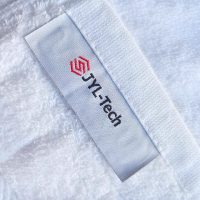
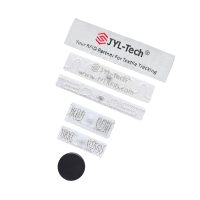
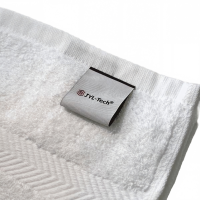
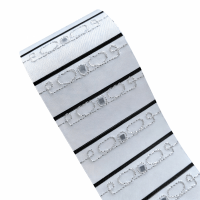
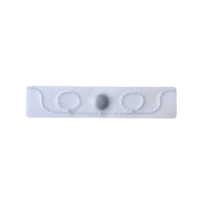
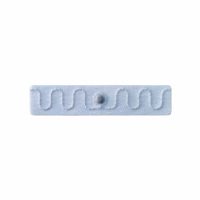
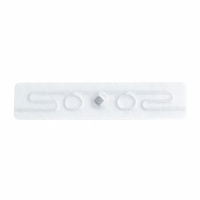
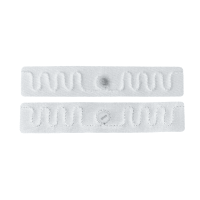
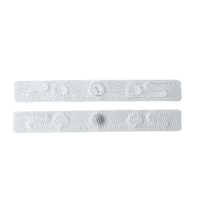
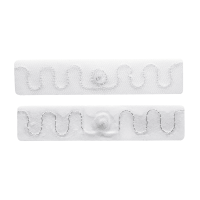
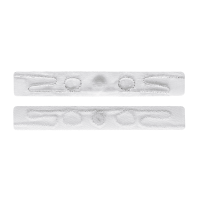
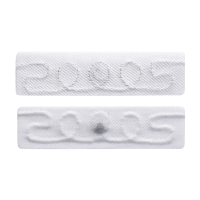
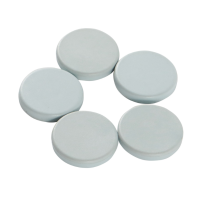
JYL-Tech offers a selection of washable UHF RFID laundry tags designed for personal clothing identification and residential laundry management. From miniature RFID textile transponders to flexible woven RFID labels, our products support discreet garment integration and reliable identification throughout repeated laundry operations. Different tag sizes and attachment methods are available to accommodate various garment materials and application requirements.

Struggling with Missing Personal Clothing Complaints in Your Facility?
Partner with JYL-Tech for soft, skin-friendly, high-performance RFID tags customized for private wear and residential care communities. Contact our technical team today to request product samples or a tailored solution quote.