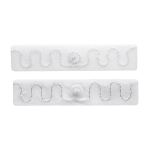
Flat linen plays an essential role in hotels, hospitals, restaurants, and commercial laundries. Common items include bed sheets, pillowcases, duvet covers, tablecloths, and napkins. Managing large volumes through washing, drying, folding, storage, and distribution can be challenging with manual counting and sorting.
JYL-Tech provides washable UHF RFID tags and flat linen tracking solutions for individual textile identification and high-volume laundry operations. Our RFID tags can be integrated into suitable hems, seams, or label areas, giving each linen item a unique electronic identity.
With compatible RFID readers and management software, commercial laundries and linen service providers can improve bulk inventory counting, record laundry processes, and verify linen movements between facilities and customers. This helps reduce linen losses and improve operational visibility.
How JYL-Tech Flat Linen RFID Solution Works
JYL-Tech RFID flat linen tracking solutions use washable UHF RFID tags to provide individual identification for reusable linen products. When integrated with compatible RFID readers and management software, the system helps commercial laundries, hotels, and linen service providers monitor textile movement throughout the laundry process.
1. RFID Tag Integration into Flat Linen
Each flat linen item is equipped with a suitable washable UHF RFID tag. Depending on the textile construction, tags can be sewn into narrow hems, fabric edges, or suitable label areas. Each RFID tag carries a unique identification number that can be associated with the corresponding linen item in the management system.
2. High-Speed Bulk Linen Identification
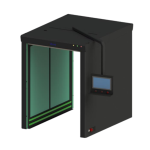
Clean or soiled linen items can be scanned using compatible UHF RFID tunnel readers, portal systems, or scanning stations. Multiple tagged items can be identified during suitable bulk scanning operations, helping laundry operators perform inventory checks without manually scanning every individual piece.
3. RFID Identification During Laundry Processing
RFID scanning points can be integrated into selected stages of the laundry workflow, including receiving, sorting, washing, drying, flatwork ironing, folding, and packing. These checkpoints help record linen movement and processing activities, allowing operators to maintain more organized laundry records.
4. Linen Distribution, Inventory Reconciliation, and Lifecycle Tracking
Before clean linen is dispatched, RFID scanning can help verify item quantities against customer or delivery records. After delivery, subsequent scans during collection and return processing help businesses reconcile inventory, investigate missing items, and maintain individual linen usage histories.
RFID Applications Across Different Flat Linen Categories
Flat linen includes a wide range of reusable textile products used in hospitality, healthcare, food service, and commercial laundry operations. Integrating washable UHF RFID tags into suitable textile areas helps businesses identify individual items and improve inventory management throughout repeated laundry cycles.
1. Bed Sheets and Pillowcases
Hotels, hospitals, and commercial linen service providers manage large quantities of bed sheets and pillowcases. RFID tags can be integrated into suitable hems or label areas to support individual linen identification, inventory counting, and laundry tracking.
2. Duvet Covers and Bedding Linen
Duvet covers, bed covers, and other reusable bedding textiles move through repeated washing, drying, folding, and distribution processes. RFID identification helps operators maintain item records and monitor linen circulation between customer facilities and laundry centers.
3. Tablecloths and Table Runners
Restaurants, banquet facilities, hotels, and catering companies use reusable tablecloths and table runners in large quantities. RFID tagging helps identify these textiles during collection, laundry processing, inventory checks, and redistribution.
4. Napkins and Dining Linen
Reusable dining napkins are frequently processed in large mixed batches. Suitable compact RFID laundry tags can help identify individual items and support inventory counting and sorting operations.
5. Healthcare Flat Linen
Hospitals and healthcare facilities use flat linen such as patient bed sheets, pillowcases, and examination textiles. RFID identification helps laundry providers and healthcare operators maintain more organized textile records and monitor linen movement.
6. Commercial Laundry Customer Linen
Industrial laundries often process flat linen belonging to multiple customers at the same facility. RFID tagging helps distinguish individual textile items by customer or ownership records, supporting batch identification, delivery verification, and inventory reconciliation.
The appropriate RFID tag design depends on the textile material, product dimensions, attachment method, reading requirements, and actual laundry processing conditions.
FAQ About RFID Flat Linen Management
1. What is RFID flat linen tracking?
RFID flat linen tracking uses washable UHF RFID tags attached to reusable textile products such as bed sheets, pillowcases, duvet covers, tablecloths, and napkins. Each tag carries a unique identification number that can be read by compatible RFID equipment. When integrated with management software, the system helps businesses identify linen items, monitor inventory, and record textile movements throughout the laundry process.
2. Can RFID tags be attached to bed sheets and pillowcases?
Yes. Suitable washable UHF RFID laundry tags can be sewn into the hems, seams, or appropriate label areas of bed sheets and pillowcases. The tag dimensions, flexibility, and attachment method should be selected according to the fabric construction and the expected washing and ironing conditions.
3. Can UHF RFID readers identify multiple flat linen items at once?
Yes. UHF RFID technology supports multi-tag identification, allowing compatible readers and scanning systems to identify multiple tagged linen items within a suitable reading area. Actual reading performance depends on tag placement, linen arrangement, material density, reader configuration, and the surrounding environment.
4. Can RFID laundry tags withstand industrial flatwork ironing?
RFID laundry tags are available in designs developed for commercial laundry applications, including repeated washing and drying processes. However, flatwork ironing conditions vary in temperature, pressure, contact time, and mechanical stress. Customers should select a suitable tag model based on its verified technical specifications and test it under actual ironing conditions before large-scale deployment.
5. How can RFID reduce flat linen loss in commercial laundries?
RFID provides individual identification for tagged linen items. By comparing scanning records from receiving, processing, and outgoing delivery, commercial laundries can identify inventory discrepancies and investigate potential losses. This improves the documentation of linen movements between laundry facilities and customer locations.
6. Can RFID track washing cycles for bed sheets and tablecloths?
Yes. When RFID readers are installed at suitable laundry processing checkpoints and connected to management software, businesses can associate individual linen IDs with washing and processing records. This information can help monitor recorded washing cycles, textile usage history, and replacement requirements.
7. Which RFID laundry tag is suitable for flat linen applications?
The appropriate RFID laundry tag depends on the textile dimensions, fabric material, attachment location, reading requirements, and industrial laundry conditions. Compact and flexible UHF RFID tags are worth evaluating for bed sheets, pillowcases, tablecloths, and napkins. JYL-Tech offers different tag designs and can help customers select suitable models according to their application requirements.
Recommended RFID Laundry Tags for Flat Linen Management
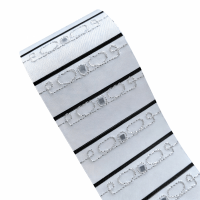
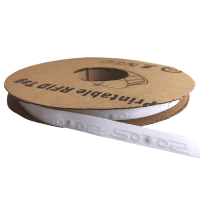
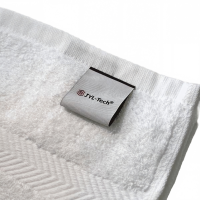
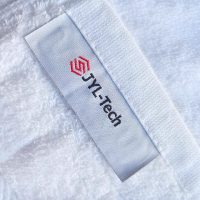
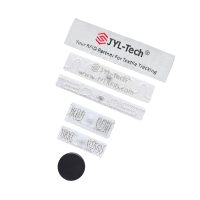
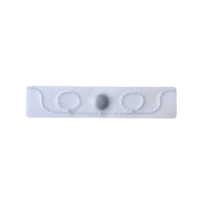
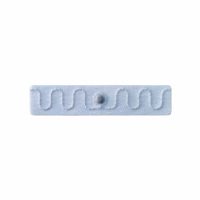
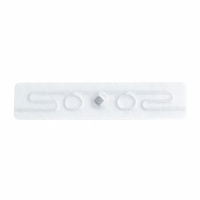
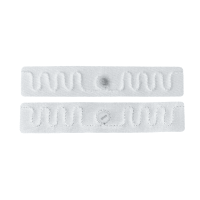
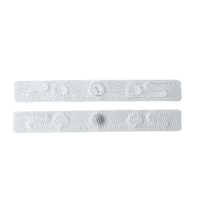
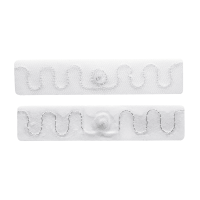
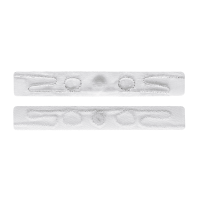
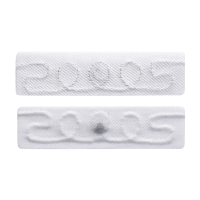
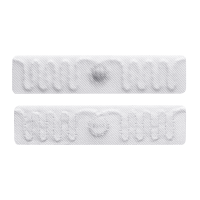
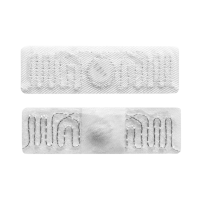
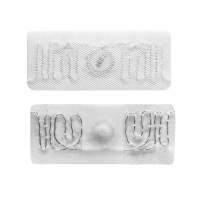
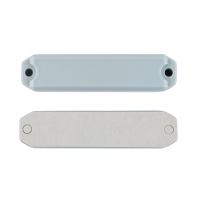
JYL-Tech offers a range of washable UHF RFID laundry tags designed for flat linen identification and commercial laundry management. From compact micro RFID transponders to flexible laundry tags and continuous tag rolls, our products support different textile constructions and attachment requirements. Whether used for bed sheets, pillowcases, tablecloths, or napkins, suitable RFID tag designs help businesses establish reliable item identification and improve high-volume linen tracking operations.

Ready to Optimize Your Flat Linen Operations with Industrial RFID Solutions?
Partner with JYL-Tech for reliable, flexible, and durable RFID tags customized for commercial laundries, hotels, and textile rental companies. Contact our technical sales team today to request free sample kits or a tailored quotation!