Textile and linen manufacturers are facing increasing demand for product traceability, automated inventory management, and digitally connected textiles. Traditional barcode labels and manual identification methods often provide limited visibility once finished products leave the factory.
JYL-Tech provides RFID tagging at source solutions designed for textile manufacturers, linen producers, and garment factories. By integrating washable UHF RFID tags directly into textile products during sewing, weaving, or other suitable production processes, manufacturers can give each finished garment or linen item a unique digital identity before shipment.
From RFID tag integration and factory pre-encoding to finished-goods inventory management and shipment verification, our OEM-ready RFID solutions help manufacturers streamline production workflows and deliver RFID-enabled textiles to commercial laundries, hotels, healthcare facilities, and textile rental companies.
With RFID technology embedded at the manufacturing stage, your textile products can enter downstream laundry and asset management systems with less additional tagging work.
How JYL-Tech Textile Manufacturer RFID Solution Works
How RFID Tagging at Source Works in Textile Manufacturing
JYL-Tech RFID tagging at source solutions help textile manufacturers integrate UHF RFID technology into their production and warehouse workflows. By combining RFID textile tags, encoding equipment, and compatible RFID readers, manufacturers can establish product identification and traceability from the factory stage.
1. RFID Tag Integration During Textile Production
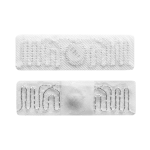
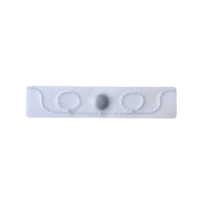
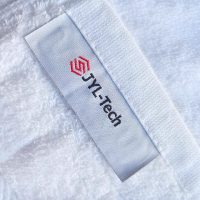
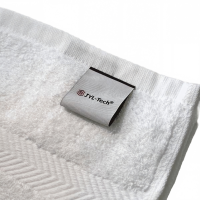
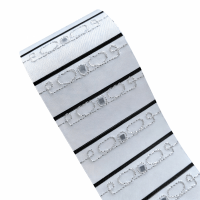
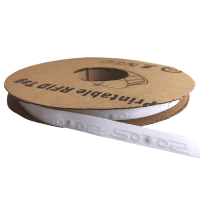
RFID tags can be incorporated into suitable textile products during sewing, weaving, or garment finishing. Depending on the production process, manufacturers can use sew-in RFID laundry tags, woven RFID labels, or RFID tags supplied in continuous rolls for compatible automated production equipment.
2. RFID Encoding and Product Data Association
Each RFID tag can be programmed with a unique identification number before or during production. Manufacturers can associate the tag ID with relevant product information, such as item codes, production batches, product categories, and manufacturing records. Custom encoding requirements can be discussed according to the customer’s system and data structure.
3. Finished-Goods Inventory and Quality Verification
After production, compatible RFID readers and scanning equipment can identify tagged textile products during inspection and warehouse storage. Manufacturers can use the collected RFID data to support finished-goods inventory checks, product identification, and batch verification.
4. RFID Shipment Verification and Downstream Tracking
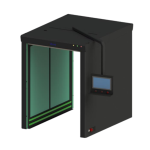
Before shipment, RFID readers or portal systems can scan tagged products and compare the collected information with order and packing records. Once delivered, downstream customers such as hotels, healthcare facilities, and commercial laundries can use compatible RFID systems to identify and track the pre-tagged textiles throughout their service lifecycle.
RFID Applications Across Different Textile Manufacturing Industries
RFID tagging at source can be applied to different textile products that require individual identification and downstream tracking. By integrating washable UHF RFID tags during production, manufacturers can supply digitally identifiable textile products to commercial customers across multiple industries.
1. Bed Linen and Bedding Manufacturers
Bed sheet, pillowcase, duvet cover, and bedding manufacturers can integrate RFID tags into suitable hems or seams during production. This allows hotels, hospitals, and commercial laundries to identify individual linen items and manage their inventory throughout repeated laundry operations.
2. Towel and Bath Linen Producers
Towel manufacturers can incorporate suitable RFID textile tags into towel borders or other appropriate areas during production. This helps downstream hospitality and healthcare customers identify towels, monitor inventory, and improve laundry tracking.
3. Garment and Uniform Manufacturers
Garment manufacturers can integrate RFID tags into workwear, employee uniforms, and reusable clothing during sewing or garment finishing. This enables customers to identify individual garments and support subsequent uniform tracking and laundry management.
4. Healthcare Textile Manufacturers
Manufacturers producing hospital gowns, patient clothing, medical uniforms, and reusable healthcare textiles can use suitable washable RFID tags to support garment identification and downstream laundry traceability.
5. Textile Rental and OEM Suppliers
OEM textile suppliers and manufacturers serving rental companies can provide pre-tagged products with unique electronic identification. This helps rental operators establish item-level tracking and manage textile assets across delivery, collection, washing, and redistribution.
By integrating RFID technology during production, textile manufacturers can deliver products that are ready for identification and tracking in downstream customer operations.
FAQ About RFID Tagging in Textile Manufacturing
1. What is RFID personal clothing tracking?
RFID personal clothing tracking uses RFID tags attached to individual garments to identify and monitor personal clothing throughout the laundry process. It helps nursing homes, assisted living facilities, and residential care communities manage garment collection, washing, sorting, and delivery more efficiently.
2. Can RFID tags be attached to residents’ personal clothing?
Yes. Suitable UHF RFID laundry tags can be attached to personal garments through sewing or heat-sealing, depending on the tag design and fabric material. The installation method should be selected to ensure the tag is securely attached without affecting garment comfort.
3. Are RFID laundry tags comfortable for residents to wear?
Small and flexible textile RFID tags can be integrated into suitable garment seams to minimize their visibility and physical contact. For garments worn directly against the skin, tag size, edge construction, installation position, and material compatibility should be evaluated before use.
4. Can RFID identify different residents’ clothing in the same laundry batch?
Yes. Each RFID tag has a unique identification number that can be associated with a specific resident’s garment records. With compatible RFID readers and laundry management software, operators can identify multiple tagged garments and sort them according to resident information.
5. Can RFID tags withstand repeated washing and drying?
Yes. Specially designed UHF RFID laundry tags are developed for repeated industrial laundry operations. However, washing temperature, drying conditions, pressing requirements, and expected service life vary by tag model. Always select a tag according to the actual laundry environment.
6. Which RFID tags are suitable for nursing homes and assisted living facilities?
Compact, flexible, and washable UHF RFID textile tags are often suitable for personal clothing tracking applications. The best option depends on garment type, fabric material, attachment method, reading requirements, and laundry conditions. JYL-Tech offers different RFID laundry tag designs to support various textile identification applications.
Recommended RFID Tags for Textile Manufacturers and Linen Producers
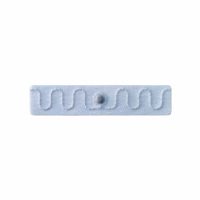
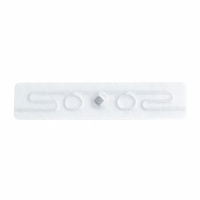
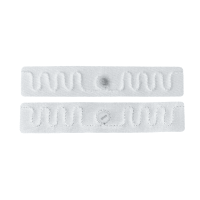
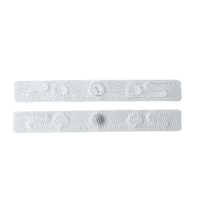
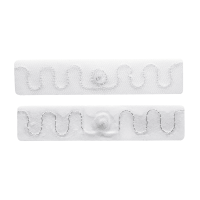
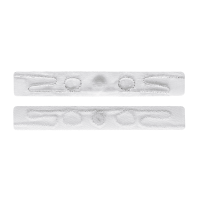
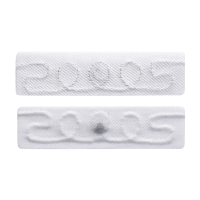
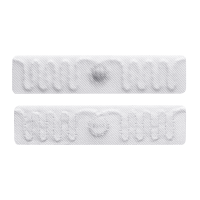
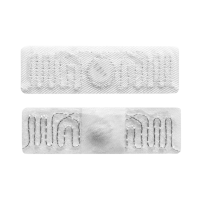
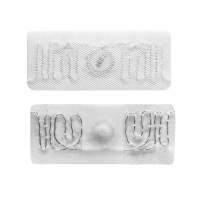
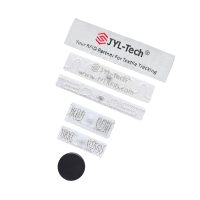
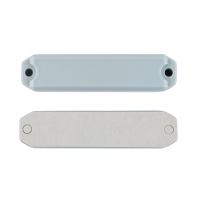
JYL-Tech offers a range of washable UHF RFID textile tags designed for integration into textile manufacturing and garment production processes. From continuous RFID tag rolls for automated sewing equipment to woven RFID labels and flexible laundry transponders, our products support different textile constructions and attachment methods. Manufacturers can select suitable RFID tag formats for source tagging, factory encoding, finished-goods identification, and downstream textile tracking.

Looking to Elevate Textile Manufacturing Line with "Tagging at Source" Solutions?
Implement an RFID textile tracking system with JYL-Tech — high-performance, OEM-ready RFID tags customized for textile producers and garment manufacturers. Contact our engineering team today to request factory integration samples or a tailored quote.